
The Rise of Crypto Gambling: Pros, Cons, and Best Platforms
Explore the boom in crypto gambling. We analyze the pros of anonymity and provably fair games, the risks of volatility, and how to choose safe platforms.

The online betting landscape is undergoing a seismic shift. While traditional online casinos have dominated the digital space for two decades, a new contender has emerged, powered by blockchain technology: crypto gambling. By integrating digital currencies like Bitcoin (BTC) and Ethereum (ETH), these platforms offer a distinct alternative to fiat-based betting, promising faster transactions, enhanced privacy, and a level of transparency previously unattainable.

This guide explores the rise of crypto gambling, weighing its innovative benefits against its inherent risks to help you make informed decisions. If you’re new to online betting overall, start with our overview of online casinos.
What is Crypto Gambling?
At its core, crypto gambling involves using cryptocurrencies instead of traditional fiat currencies (like USD, EUR, or GBP) to place bets on casino games, sports matches, or poker hands. This sector can be divided into two main categories:
- Crypto-Exclusive Sites: These platforms operating solely on blockchain technology. They often feature “provably fair” games and do not accept fiat currency at all.
- Hybrid Casinos: Traditional online casinos that have integrated crypto payment gateways, allowing users to deposit in Bitcoin or Ethereum but often converting funds to fiat for gameplay.
The Mechanics: Bitcoin, Ethereum, and Beyond
Depositing funds into a crypto casino differs from using a credit card. Players must have a digital wallet (such as MetaMask for Ethereum or Electrum for Bitcoin) and purchase crypto from an exchange. Transfers are made peer-to-peer, moving funds directly from the user’s wallet to the casino’s wallet address.
Bitcoin (BTC) remains the gold standard for high-volume deposits due to its security and widespread adoption. Ethereum (ETH) is favored for its smart contract capabilities, which power many decentralized gambling apps (dApps). Other altcoins like Litecoin (LTC) and Tether (USDT) are gaining popularity for their lower transaction fees and price stability, respectively.
The Pros: Why Players are Switching
The migration to blockchain betting isn’t just a trend; it solves several pain points associated with traditional online gambling. Many of the same principles still apply, so it’s worth reviewing these proven gambling strategies to keep your decision-making grounded.
1. Anonymity and Privacy
One of the most cited advantages is privacy. Traditional casinos require extensive Know Your Customer (KYC) documentation—passports, utility bills, and bank statements—before a player can withdraw a cent. While regulated crypto casinos still adhere to Anti-Money Laundering (AML) laws, many crypto-exclusive sites offer “No-KYC” or minimal-KYC accounts. This allows players to gamble without leaving a sensitive paper trail on their bank statements.
2. Provably Fair Gaming
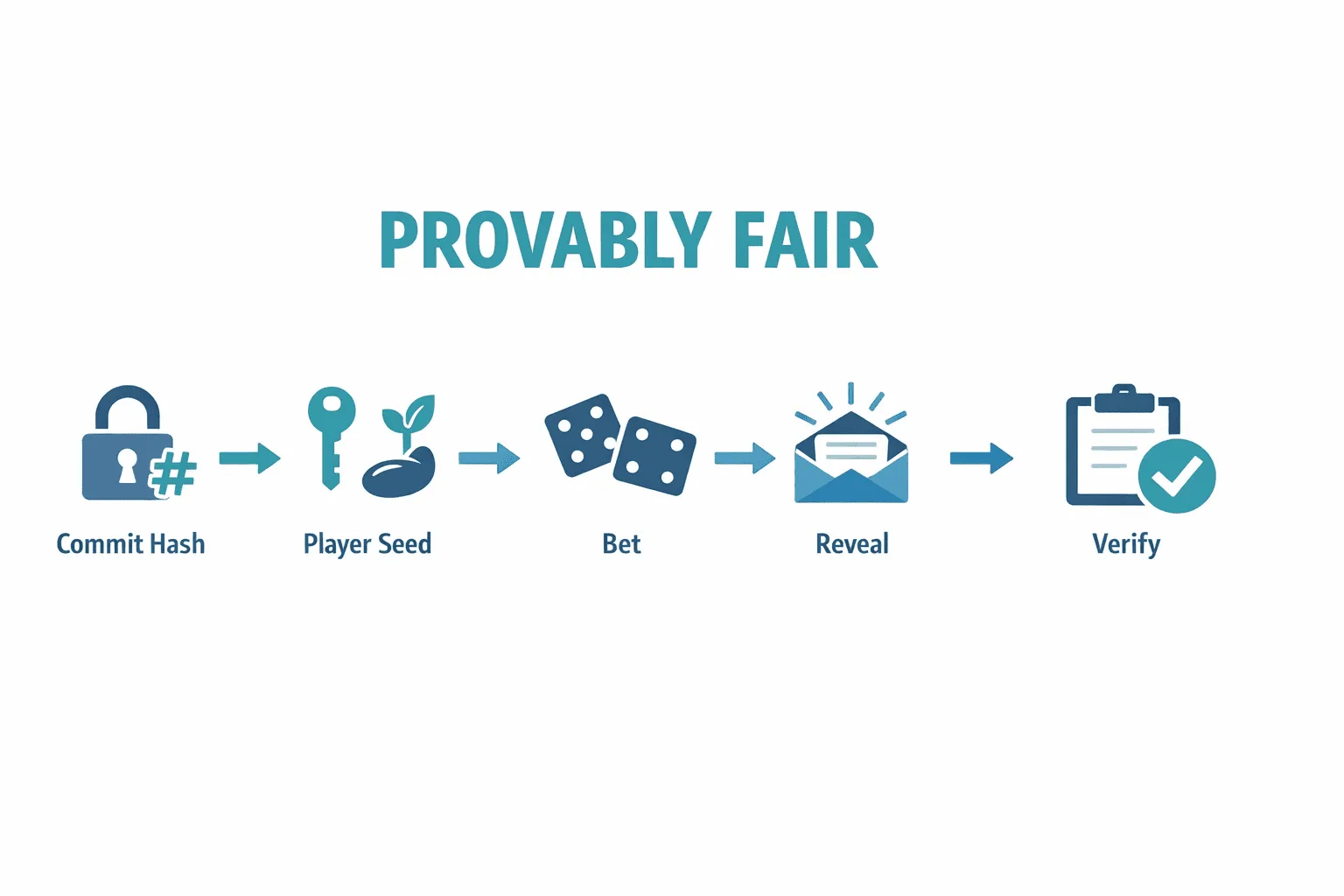
This is a revolutionary concept unique to crypto gambling. In a traditional setup, players must trust the casino’s random number generator (RNG). In contrast, provably fair algorithms allow players to verify the fairness of every single bet. By using cryptographic hashes, the server creates a “seed” for the random number before the bet is placed. After the round, the player receives a key to verify that the outcome was pre-determined by the algorithm and not altered by the casino in real-time.
Read more about how self-protection tools (like self-exclusion) work in regulated online gambling environments here: UK Gambling Commission: self-exclusion.
3. Transaction Speed and Global Access
Fiat withdrawals can take 3 to 5 business days to process via bank transfer. Crypto withdrawals are often automated and processed within minutes. Furthermore, because cryptocurrencies are decentralized, they bypass banking restrictions, allowing players in regions with strict banking controls to access international platforms (though legal compliance remains the user’s responsibility).
The Cons: Volatility and Security Risks
Despite the technological leaps, crypto gambling introduces new risks that do not exist in the fiat world. If you want a deeper framework for protecting your bankroll, see our guide to risk management in gambling.
1. Extreme Volatility
The value of your bankroll can fluctuate wildly, independent of your betting results. For example, if you deposit $1,000 worth of Bitcoin and the price of BTC drops by 20% overnight, your gambling balance loses 20% of its purchasing power, even if you haven’t placed a bet. While this works in reverse during a bull market, the downside risk is significant.
For a regulator-focused overview of crypto-asset risk and the reality of limited consumer protections in many crypto contexts, see: European Supervisory Authorities warning (via EBA).

2. Irreversible Transactions
Blockchain transactions are immutable. If you send funds to the wrong wallet address or select the wrong network (e.g., sending USDT via the BSC network to an ERC-20 address), your money is likely lost forever. There is no customer support line at Bitcoin headquarters to reverse the charge.
3. Regulatory Uncertainty and Licensing
The regulatory landscape for crypto gambling is still gray. Many crypto-exclusive sites operate under licenses from Curaçao or operate without a license, claiming to be decentralized organizations (DAOs). This lack of strict oversight compared to bodies like the UK Gambling Commission means players have less recourse if a casino refuses to pay out or shuts down (a “rug pull”).
Emerging Trends: Crypto-Exclusive Platforms
A new breed of “crypto-native” casinos is emerging. These are not just websites; they are often built entirely on the blockchain.
- Metaverse Casinos: Platforms like Decentraland allow avatars to walk into virtual casinos and play slots or poker with other users in real-time.
- NFT Integration: Some casinos now accept Non-Fungible Tokens (NFTs) as collateral or offer NFTs as VIP rewards, which can then be traded on secondary markets.
- Dividend Tokens: Some decentralized casinos issue their own tokens. Players who hold these tokens effectively become “the house,” earning a share of the casino’s profits.
How to Choose a Safe Platform
Given the risks, selecting the right platform is critical. Here is a checklist for evaluating a crypto casino:
Check for Provable Fairness
Does the site offer provably fair games? Look for a page that explains their algorithm and allows you to test the hashes manually.
Assess Reputation and History
Age is a trust signal in the crypto world. Forums like BitcoinTalk and Trustpilot are essential resources. Be wary of brand-new sites offering bonuses that seem too good to be true.
Review Withdrawal Terms
Read the fine print. Does the site lock your deposit until you wager it a certain number of times? Are there withdrawal limits that would prevent you from cashing out a jackpot? If you commonly play with promotions, it helps to understand how wagering and cashout restrictions work—see our guides on free spins with max cashout rules and clearing low wagering requirement bonuses.
Responsible Gambling in the Crypto Age
The ease of deposit and the speed of play in crypto gambling can accelerate addictive behaviors. It is vital to practice responsible gambling:
- Never gamble with money you cannot afford to lose.
- Understand the tech: Don’t use crypto for betting if you don’t understand how wallets and gas fees work.
- Use stablecoins: If you are worried about volatility, consider using stablecoins like USDT or USDC to keep your bankroll stable relative to fiat currency.
It also helps to avoid common thinking traps that can push players into chasing losses—read about the gambler’s fallacy and the fallacy of the maturity of chances.
If gambling is starting to feel hard to control, getting support early can make a real difference. In the U.S., free and confidential help is available 24/7 through the National Council on Problem Gambling’s National Problem Gambling Helpline: about the helpline and how it works.
For practical, public-health style guidance on steps that can reduce harm (like blocking tools, bank blocks, and self-exclusion), read: NHS: Help for problems with gambling.
Crypto gambling offers a high-tech, high-speed alternative to traditional betting, bringing transparency through provably fair code and financial freedom through decentralized currency. However, it demands a higher level of user responsibility regarding security and financial management. As the industry matures, the gap between traditional and crypto gambling will likely close, but for now, knowledge is your best bet.
Related guides
Knowledge Base-
Live Dealer vs. RNG Blackjack: Odds, Speed, and Strategy Compared
Compare Live Dealer vs. RNG Blackjack to find the best odds and speed. Discover how gameplay style, fairness, and strategy differ in this expert guide.
Knowledge Base
-
RTP vs. Volatility: How to Choose the Right Slot for Your Budget
Learn the difference between RTP and volatility in slots. Discover how to choose the right game to maximize your playtime and match your budget.
Knowledge Base
-
Data-Driven Bankroll Management: Using the Kelly Criterion in Online Casinos
Master data-driven bankroll management with the Kelly Criterion. Learn how to optimize bet sizing, manage risk, and maximize growth in online casinos.
Knowledge Base